Understanding Custom O-Rings in China: A Comprehensive Guide for the Chemical Industry
Introduction:
Custom O-rings play a vital role in the chemical industry, specifically in rubber and its products. In China, a hub for manufacturing, understanding the process and applications of custom O-rings is key to optimizing their usage. This guide aims to provide you with comprehensive knowledge about custom O-rings, focusing on China's market, without any specific brand or price information.
1. What are Custom O-Rings?
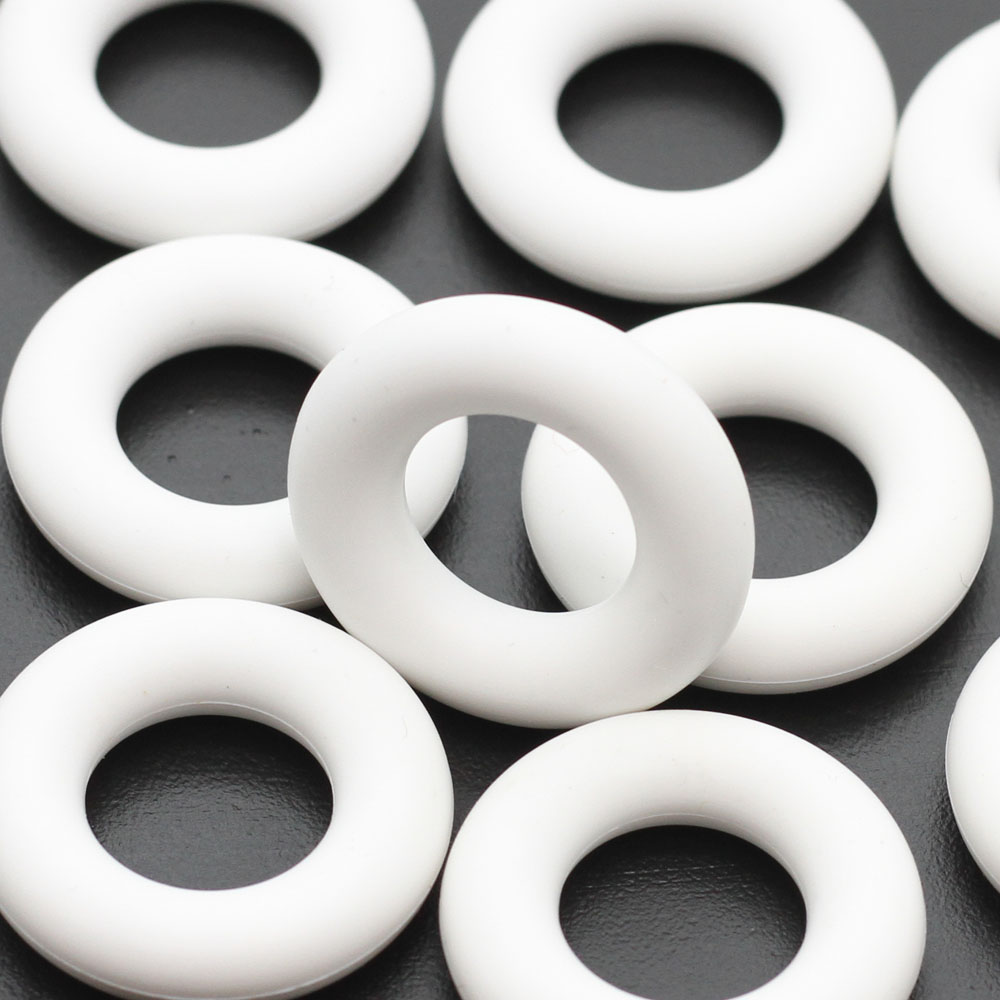
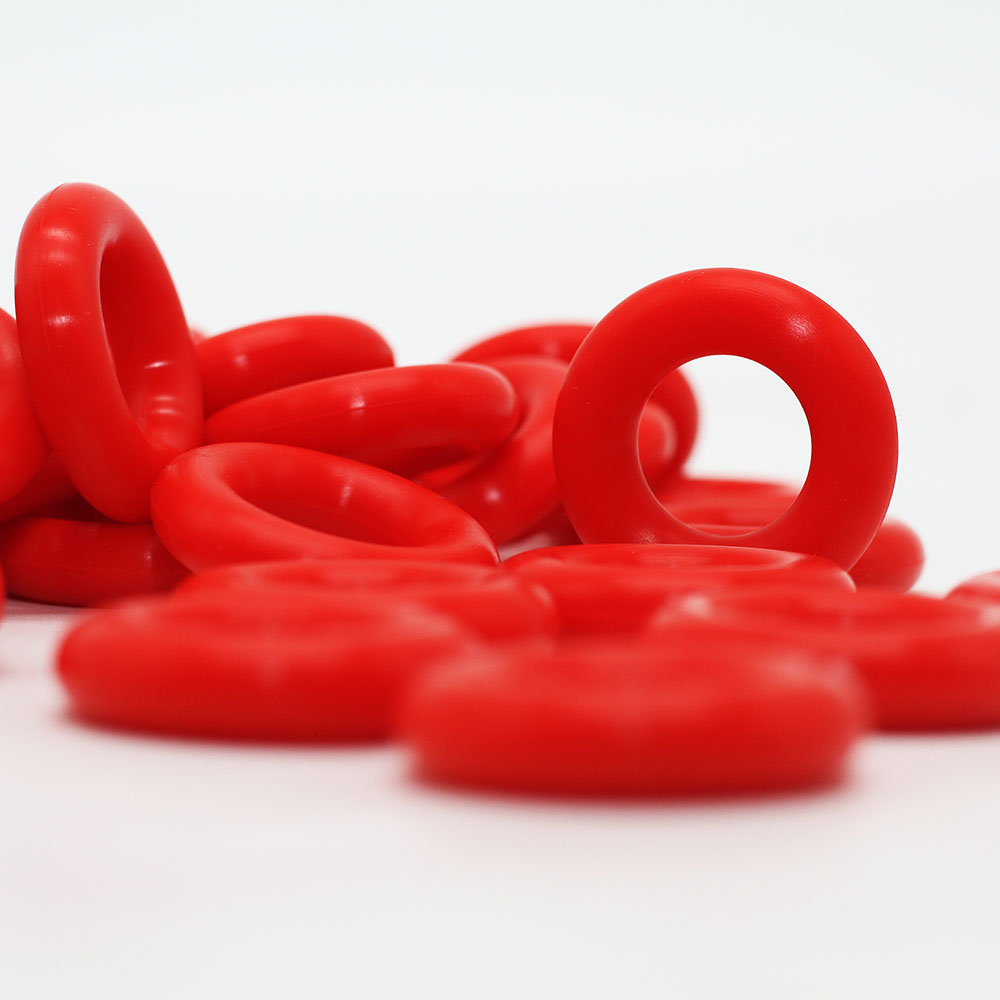
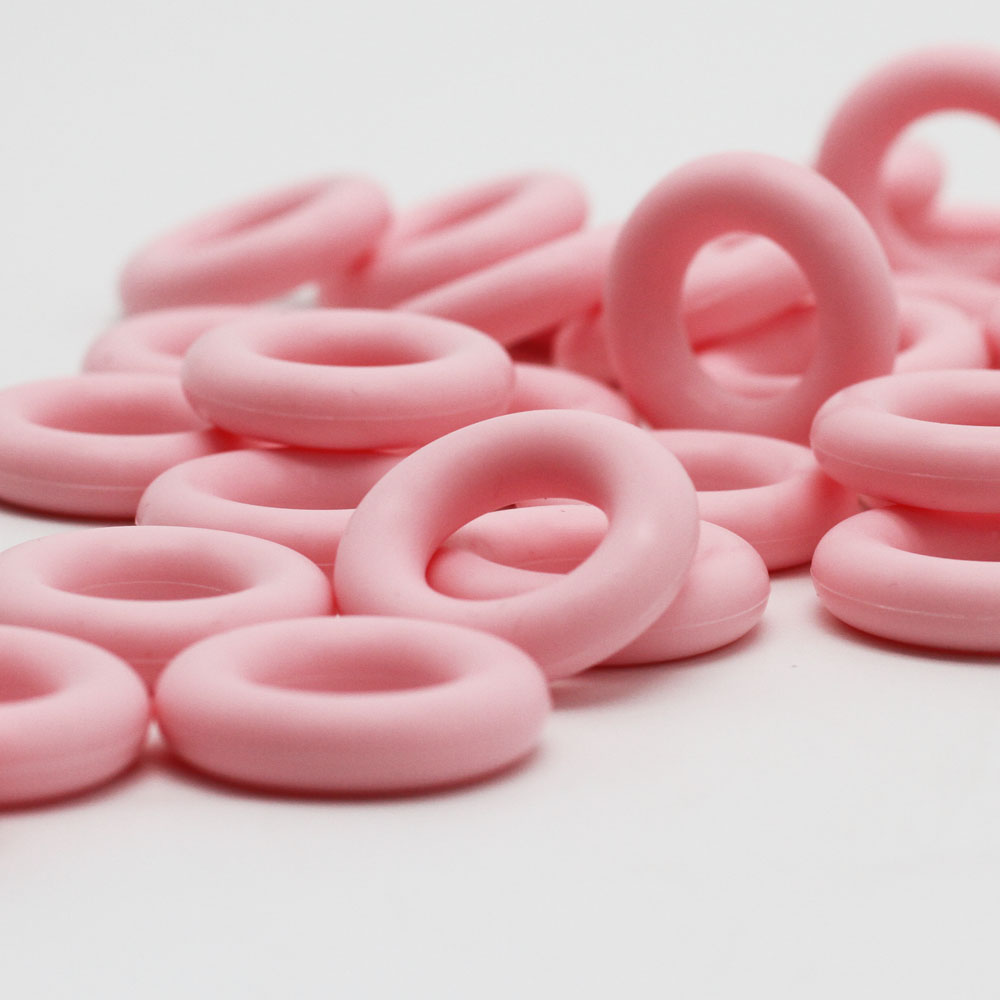
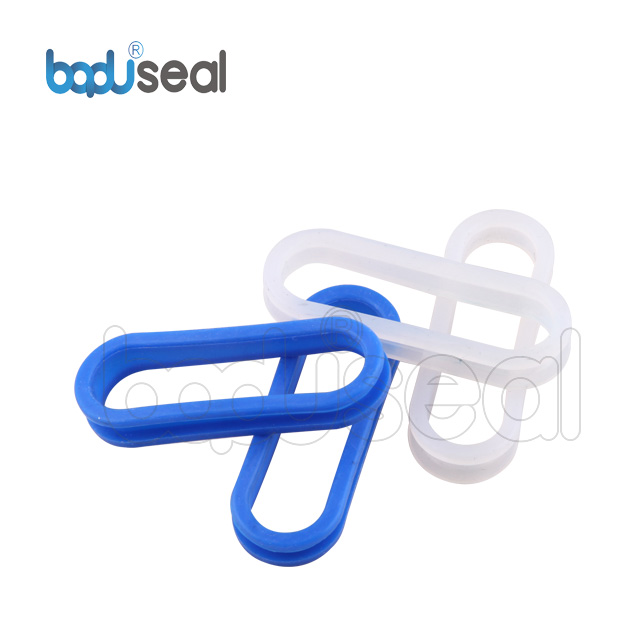
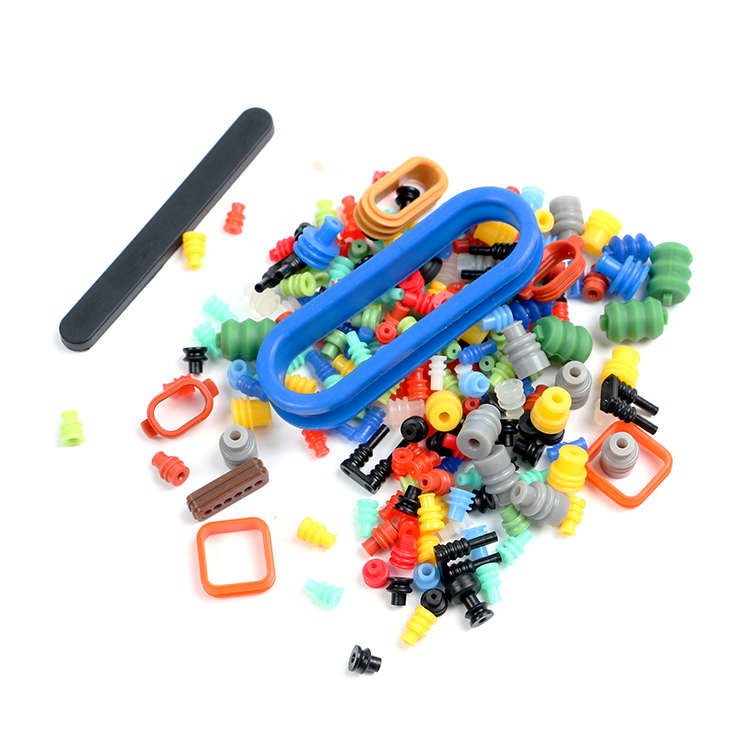
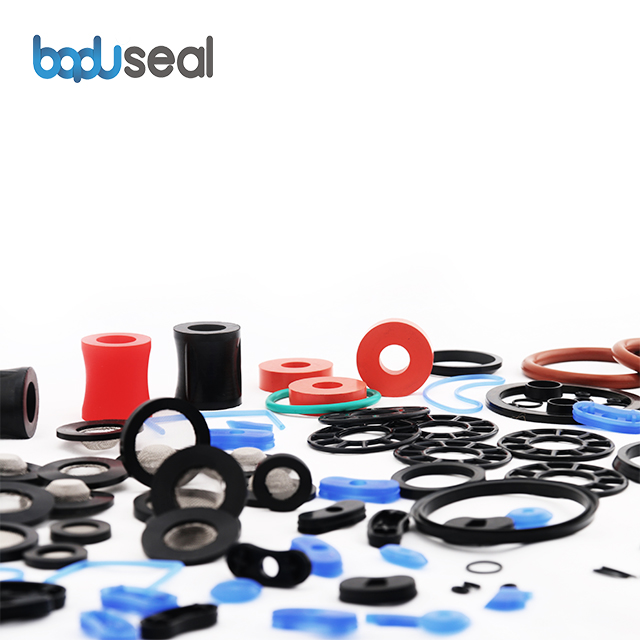
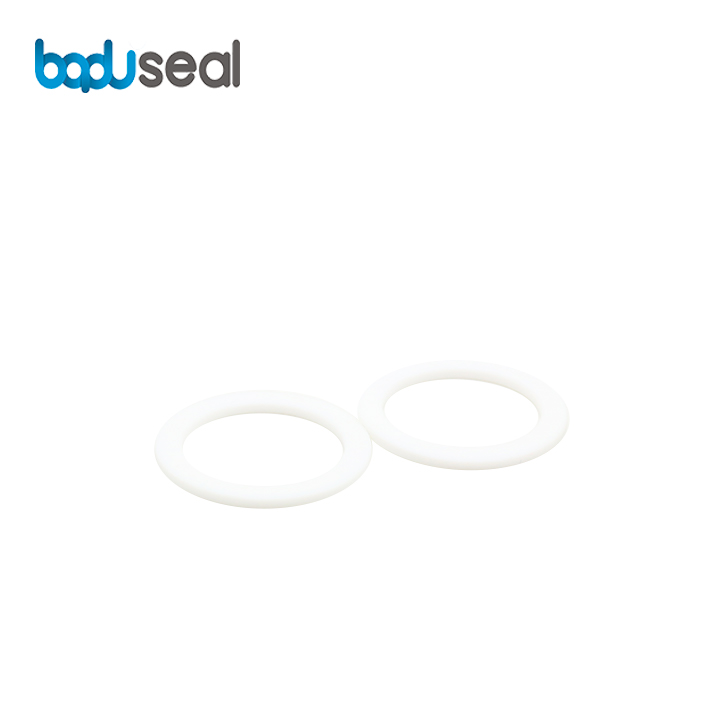
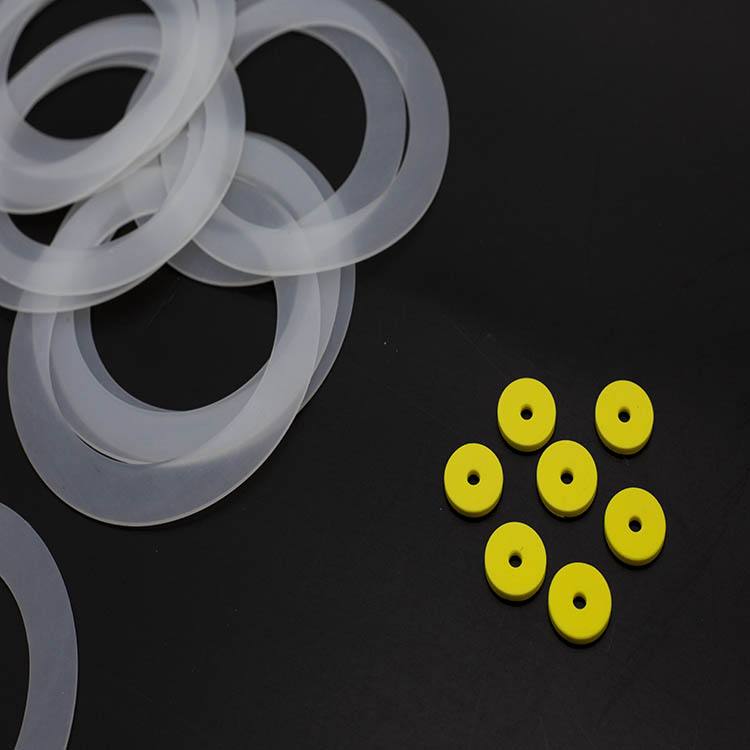
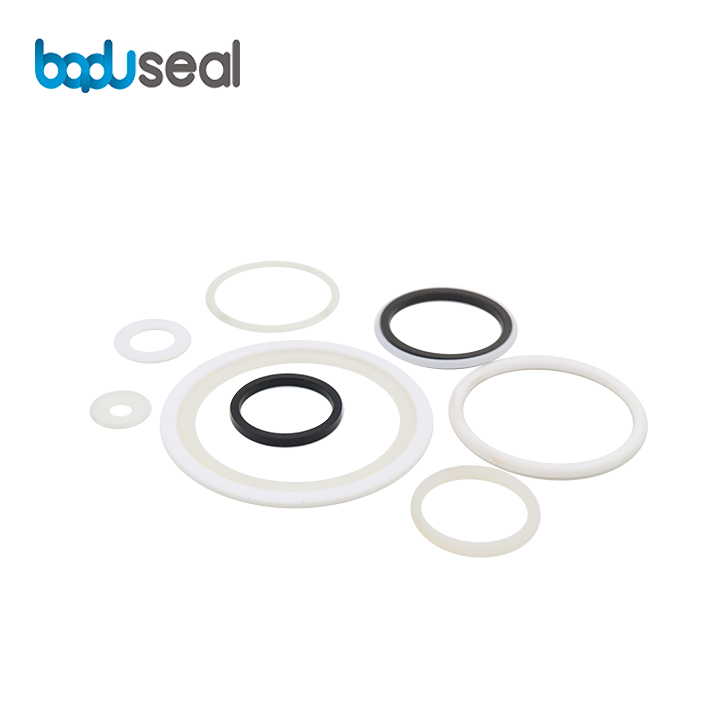
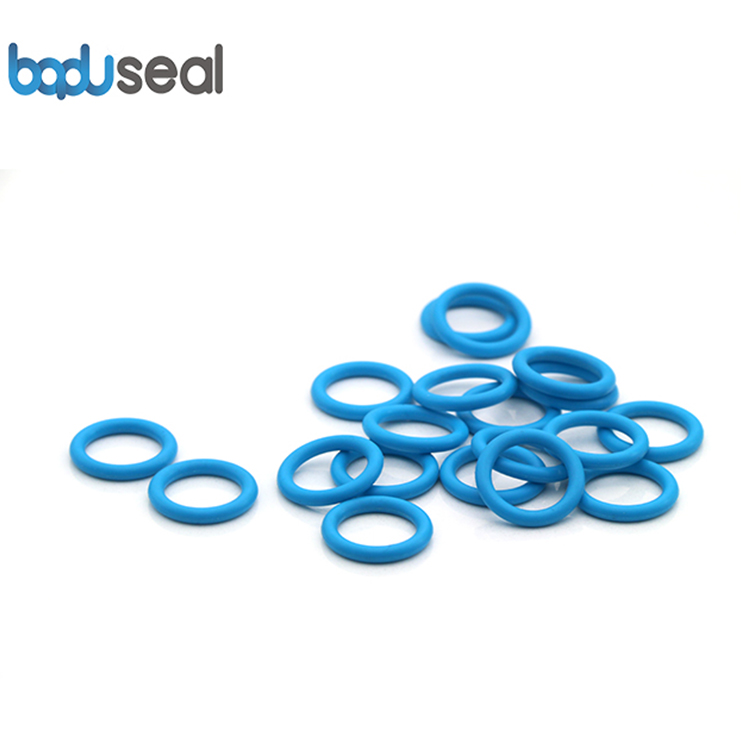
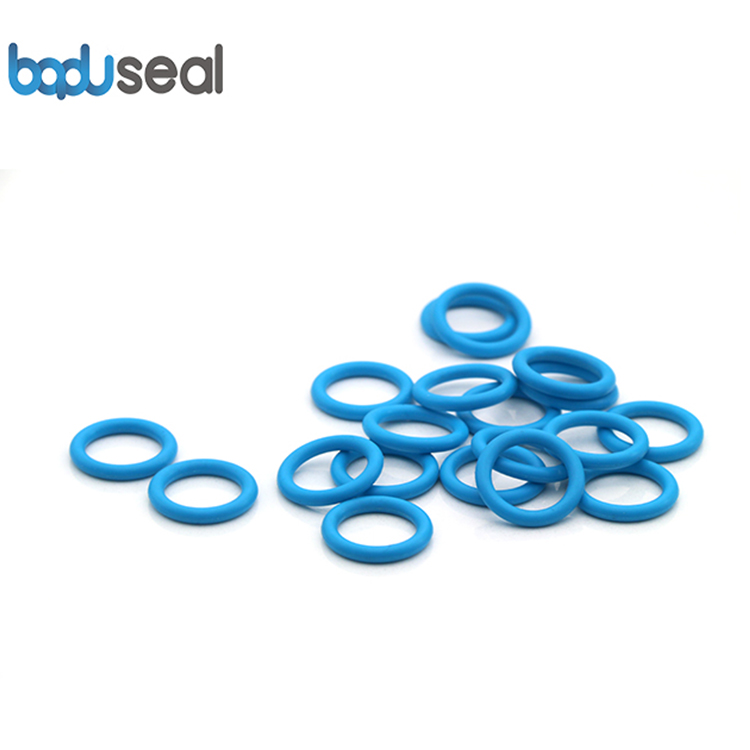
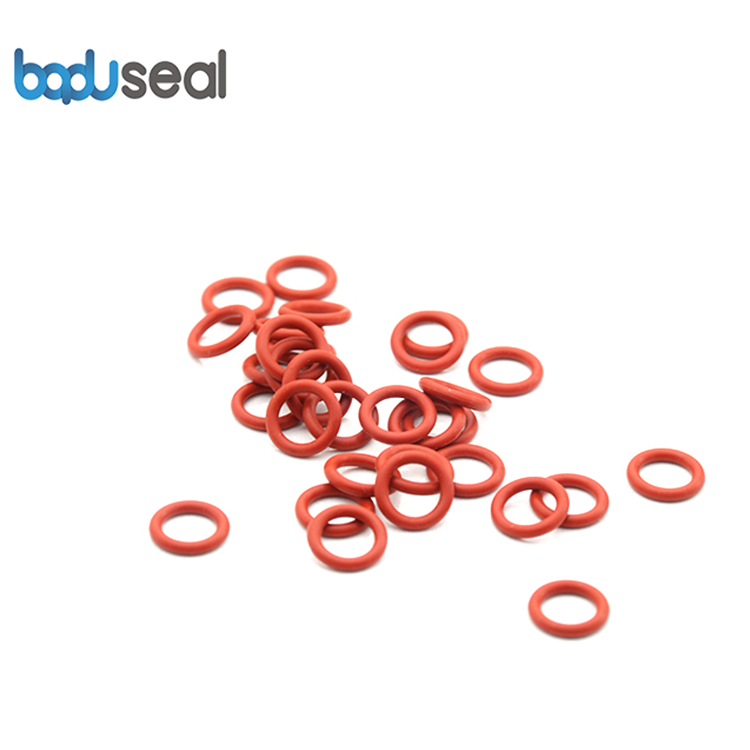
Custom O-rings are specially designed rubber seals that are tailored to fit specific requirements. They are commonly used in various industries, including the chemical sector, where they provide an essential sealing solution for different applications.
2. Production Process:
The manufacturing of custom O-rings involves several steps. It begins with selecting the appropriate type of rubber compound, such as nitrile, silicone, or EPDM, based on the desired properties and application requirements. The chosen compound is then mixed with additives and cured to achieve the desired hardness and elasticity. The cured rubber is cut into strips, and using a mold, the O-ring shape is formed through compression or injection molding. The finished O-rings undergo inspection to ensure their quality and conformity to specifications.
3. Advantages of Custom O-Rings:
Custom O-rings offer several advantages in the chemical industry:
a. Sealing Efficiency: O-rings provide a reliable and effective sealing solution, preventing leakage of fluids or gases in a wide range of temperatures and pressures.
b. Versatility: Custom O-rings can be manufactured in various sizes, materials, and designs, enabling them to fit specific applications perfectly.
c. Chemical Resistance: O-rings can be formulated to resist chemical exposure, making them suitable for applications in harsh chemical environments.
d. Cost-Effectiveness: Custom O-rings minimize the need for expensive equipment modifications or repairs by providing a cost-effective sealing solution.
4. Applications in the Chemical Industry:
Custom O-rings find extensive use in the chemical industry for diverse applications such as:
a. Pipe Connections: O-rings ensure a leak-free connection between pipes, fittings, and valves, avoiding potential hazards and maintaining operational efficiency.
b. Pump Systems: O-rings are utilized in pumps to create a seal, preventing any leakage of liquids or gases, ensuring the safety and reliability of the system.
c. Chemical Containers: O-rings seal containers, tanks, and vessels, safeguarding against spillage or contamination.
d. Laboratory Equipment: O-rings are essential in laboratory apparatus like chromatography columns and reactors, providing secure and leak-free connections.
Conclusion:
Understanding custom O-rings and their applications is crucial for the chemical industry in China. With their versatility, sealing efficiency, and resistance to chemicals, custom O-rings provide an effective solution for various applications. By tailoring these rubber sealing solutions to specific requirements, the chemical industry can achieve improved operational safety, efficiency, and reliability.