The Advantages of Using EPDM Oxygen O-Rings: A Comprehensive Guide
Table of Contents
1. Introduction: Understanding EPDM Oxygen O-Rings
2. EPDM O-Rings: Definition and Composition
3. Exceptional Chemical Resistance of EPDM O-Rings
4. High Temperature Stability of EPDM O-Rings
5. Excellent UV and Weather Resistance of EPDM O-Rings
6. Cost-Effectiveness of EPDM O-Rings
7. EPDM O-Rings in Various Industries
8. FAQs: Common Queries About EPDM Oxygen O-Rings
9. Conclusion
1. Introduction: Understanding EPDM Oxygen O-Rings
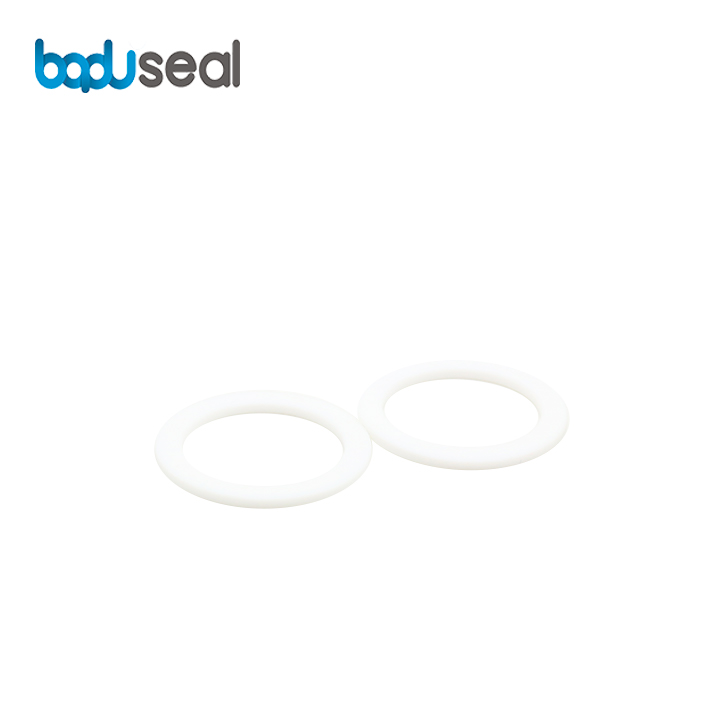
EPDM (Ethylene Propylene Diene Monomer) oxygen O-rings are widely recognized for their superior sealing capabilities and unique properties. In this article, we will explore the advantages of using EPDM O-rings and shed light on their applications across different industries.
2. EPDM O-Rings: Definition and Composition
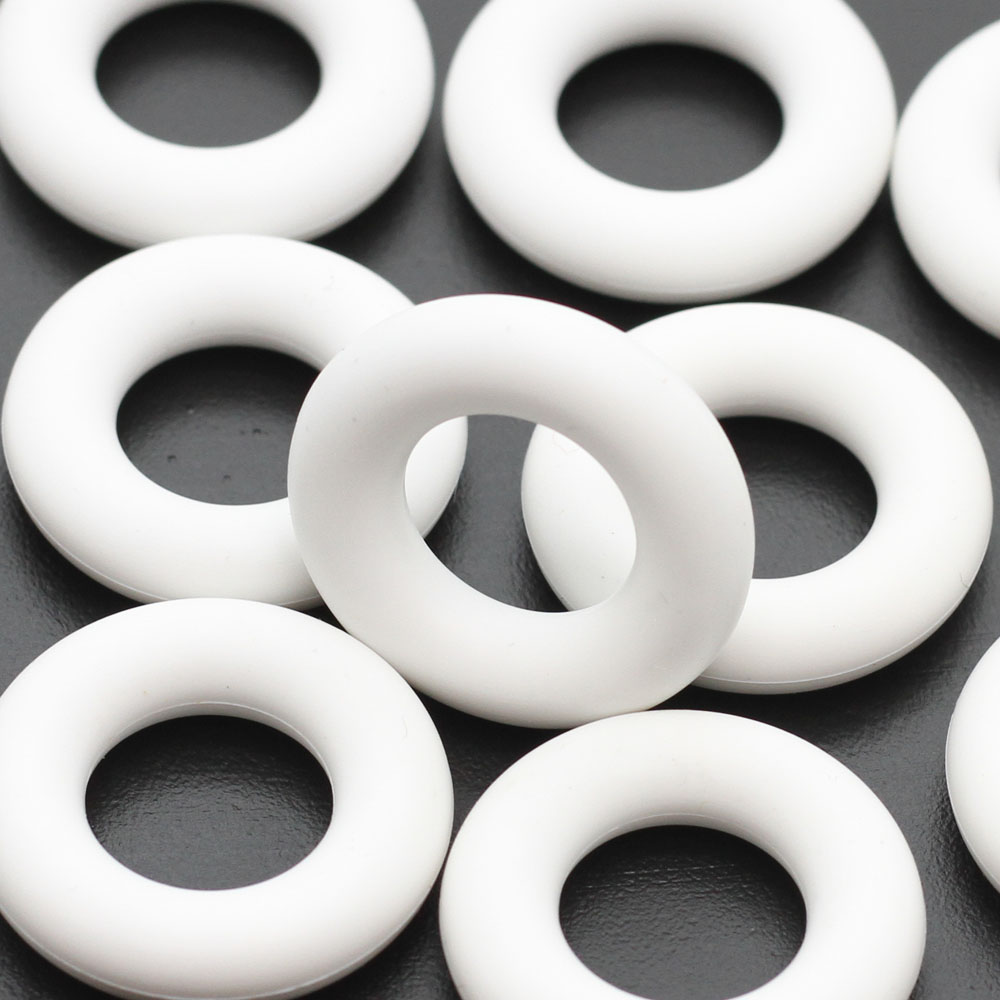
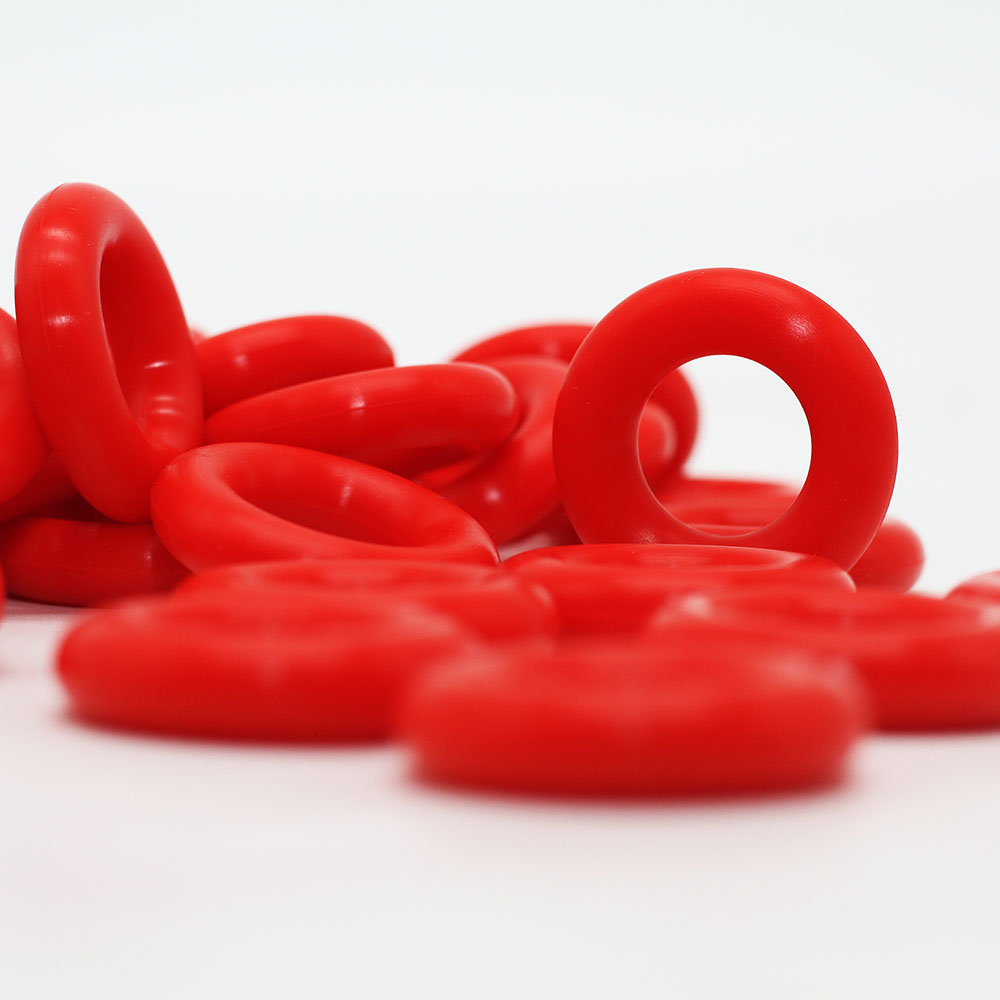
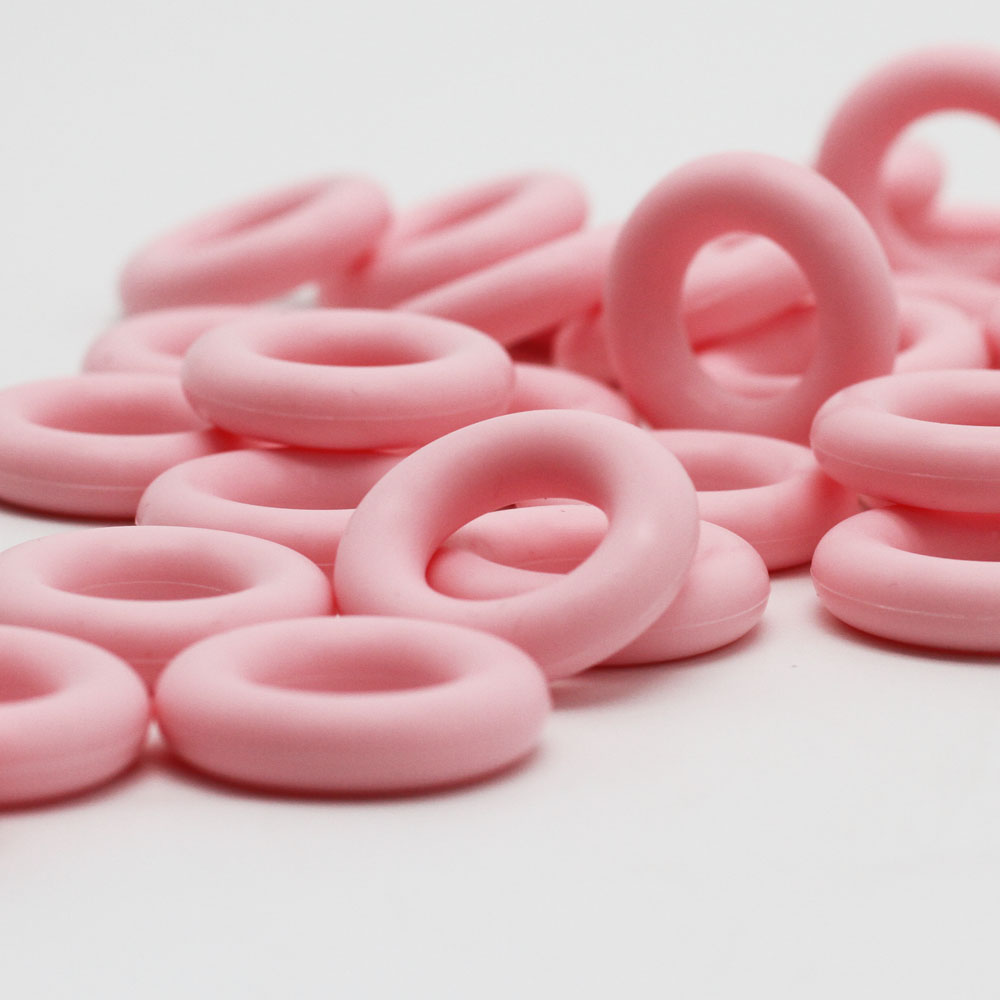
EPDM O-rings are made from a synthetic rubber compound, which consists of ethylene, propylene, and a small amount of diene monomer. This composition gives EPDM O-rings their exceptional durability, flexibility, and resistance to various environmental factors.
3. Exceptional Chemical Resistance of EPDM O-Rings
EPDM O-rings exhibit remarkable resistance to a wide range of chemicals, including acids, alkalis, and polar solvents. This makes them an ideal choice for sealing applications in industries such as automotive, chemical processing, and oil and gas.
4. High Temperature Stability of EPDM O-Rings
EPDM O-rings can withstand high temperatures without losing their sealing capabilities. They have a maximum continuous operating temperature range of -40°C to +125°C (-40°F to +257°F), making them suitable for both extreme cold and hot environments.
5. Excellent UV and Weather Resistance of EPDM O-Rings
EPDM O-rings offer exceptional resistance to UV radiation, ozone, and weathering. This makes them suitable for outdoor applications where exposure to sunlight and harsh weather conditions is inevitable. EPDM O-rings are commonly used in roofing systems, electrical enclosures, and outdoor equipment.
6. Cost-Effectiveness of EPDM O-Rings
EPDM O-rings are cost-effective compared to other sealing materials such as silicone or fluorocarbon. Their long lifespan, combined with their resistance to chemicals and extreme temperatures, makes them a reliable and economical sealing solution.
7. EPDM O-Rings in Various Industries
EPDM O-rings find applications in a wide range of industries, including automotive, aerospace, pharmaceutical, food and beverage, and water treatment. Their versatility and exceptional sealing capabilities make them suitable for diverse sealing requirements.
8. FAQs: Common Queries About EPDM Oxygen O-Rings
Q1: Are EPDM O-rings suitable for food contact applications?
A1: Yes, EPDM O-rings are FDA-approved and safe for use in food processing and beverage industries.
Q2: Can EPDM O-rings resist petroleum-based oils and fuels?
A2: EPDM O-rings have limited resistance to petroleum-based fluids, and it is advisable to consult with experts for specific applications.
Q3: How long do EPDM O-rings last?
A3: The lifespan of EPDM O-rings depends on various factors such as operating conditions, chemical exposure, and maintenance. However, they are known for their durability and extended service life.
Q4: Can EPDM O-rings withstand steam and hot water?
A4: Yes, EPDM O-rings can withstand steam and hot water up to their recommended temperature limits.
Q5: Are EPDM O-rings compatible with refrigerants and HVAC systems?
A5: EPDM O-rings are compatible with most common refrigerants and HVAC system fluids.
9. Conclusion
In conclusion, EPDM oxygen O-rings offer numerous advantages that make them a preferred choice in various industries. Their exceptional chemical resistance, high temperature stability, and UV/weather resistance make them reliable sealing solutions. Additionally, their cost-effectiveness and versatility contribute to their popularity. When it comes to sealing applications, EPDM O-rings provide the necessary performance and durability required for long-lasting sealing solutions.